


Key takeaways
- Four steps cover almost everyone: cleanse, treat, moisturise, protect.
- Daily sunscreen does more for long-term skin than any serum.
- Introduce one new active at a time, and give it six to eight weeks.
Ask ten dermatologists what their own routine looks like and you will hear the same thing: it is short. Not because we are tired of skincare, but because skin does best when it is treated consistently and not constantly changed.
Why fewer steps work better
Every product you add is another chance to irritate your skin barrier, and another variable when something goes wrong. A routine you can finish in five minutes is a routine you will still be doing in six months, and that is where the results come from.
The four steps
- Cleanse. A gentle, non-foaming cleanser, at night and in the morning only if your skin feels oily. Avoid anything that leaves skin tight.
- Treat. One active, chosen for your main concern: vitamin C in the morning for dullness, or a retinoid at night for lines, texture and breakouts.
- Moisturise. A simple cream with ceramides or glycerin supports the barrier, whatever your skin type.
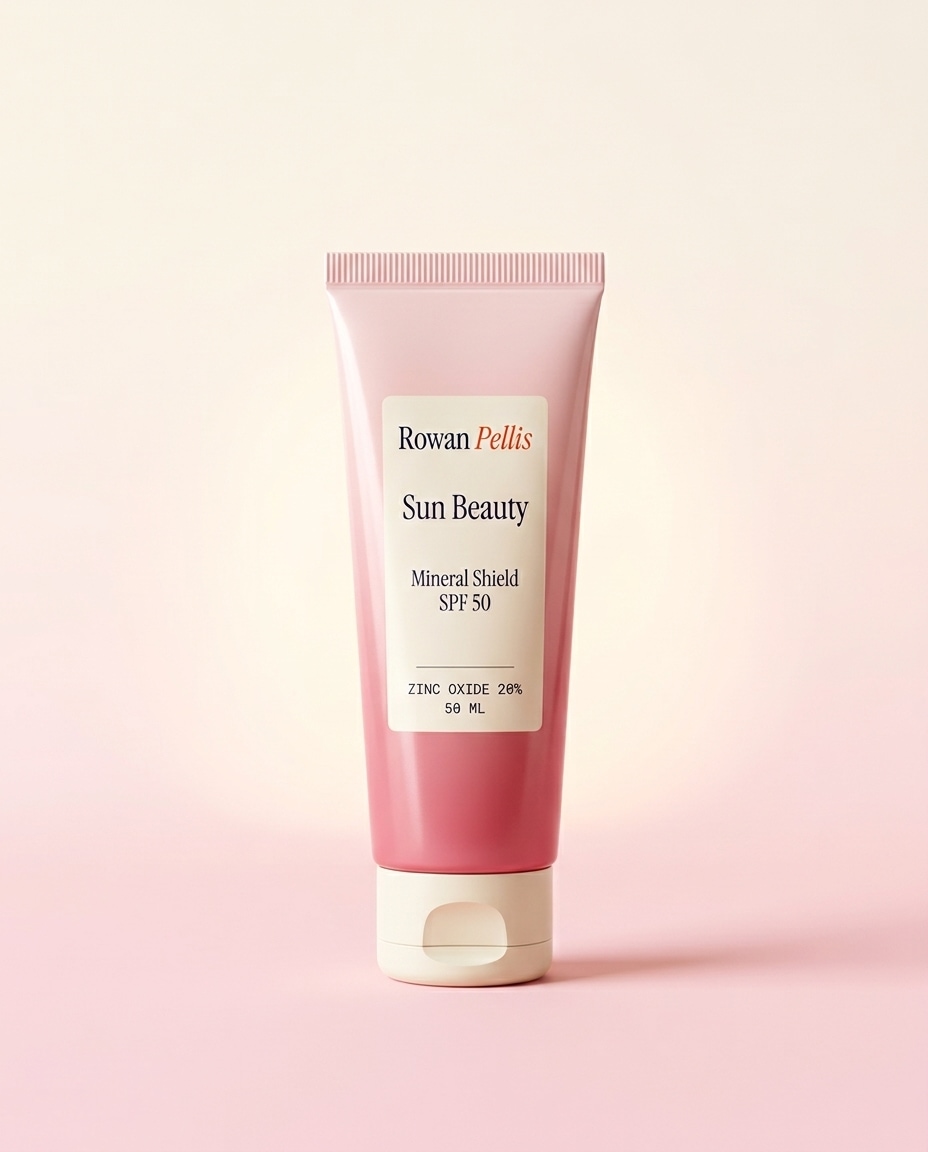
- Protect. A broad-spectrum SPF 30 or higher, every morning, including cloudy days and winter.
If a patient will only do one thing, I ask for sunscreen. Everything else is built on that.
Dr. Sophia Bennett
Starting a retinoid without the redness
Retinoids are the most studied anti-ageing ingredient we have, and also the one people most often stop using because of irritation. Start with a small amount two nights a week, on dry skin, and add a night every week or two as your skin settles.
Sunscreen you will actually wear
The best sunscreen is the one you apply generously and reapply. If a formula leaves a white cast or feels heavy, you will skip it. Try a few, and use about two finger-lengths for the face and neck.
When to ask for help
If a routine causes burning, persistent redness or breakouts that get worse after a few weeks, stop and book a visit. A short consultation is usually enough to find out whether it is the product, the order or something else.
This article is for general information and is not a substitute for medical advice. If you have a concern about your skin, book a consultation so a physician can examine it.